← Back to PAHMCJ Volume 3, Number 1 (January 2026)
Case Report
PAH Med Col J. Jan 2026; 3(1): 20-29
Abstract
Background: Non-union of femoral shaft represents a significant socio-economic burden due to prolonged patient morbidity, inability to return to prior function, gait abnormality, re-operation and psycho-emotional impairment.
Objective: To evaluate the outcomes of revision with metaphyseal locking compression plate (MLCP) by compression technique combined with corticocancellous autogenous bone graft in the treatment of aseptic non-union of the shaft of femur.
Case Summary: A 55-year-old female patient with a history of trauma sustained a closed fracture of the mid-shaft of the right femur, previously treated by interlocking intramedullary (ILIM) nailing, and presented one year later with confirmed non-union. She was treated at President Abdul Hamid Medical College Hospital by revision with MLCP and corticocancellous autogenous bone graft.
Results: MLCP combined with autologous corticocancellous bone graft showed good functional results at the end of ten months postoperatively, with ASAMI bone and functional scores rated Excellent.
Conclusion: Revision with MLCP by compression technique combined with corticocancellous autogenous bone graft is an effective treatment for aseptic non-union of the femoral shaft.
Keywords
Non-union, Femoral shaft fracture, Metaphyseal locking compression plate, MLCP, Bone graft, Compression technique
📄 Download Full Case Report PDF
How to cite: Mustofa MG, Bhadra A, Saha S. Revision with metaphyseal locking compression plate (MLCP) by compression technique for aseptic non-union of the shaft of femur combined with corticocancellous autogenus bone graft. PAH Med Col J. Jan 2026; 3(1): 20-29.
Recent Posts
-

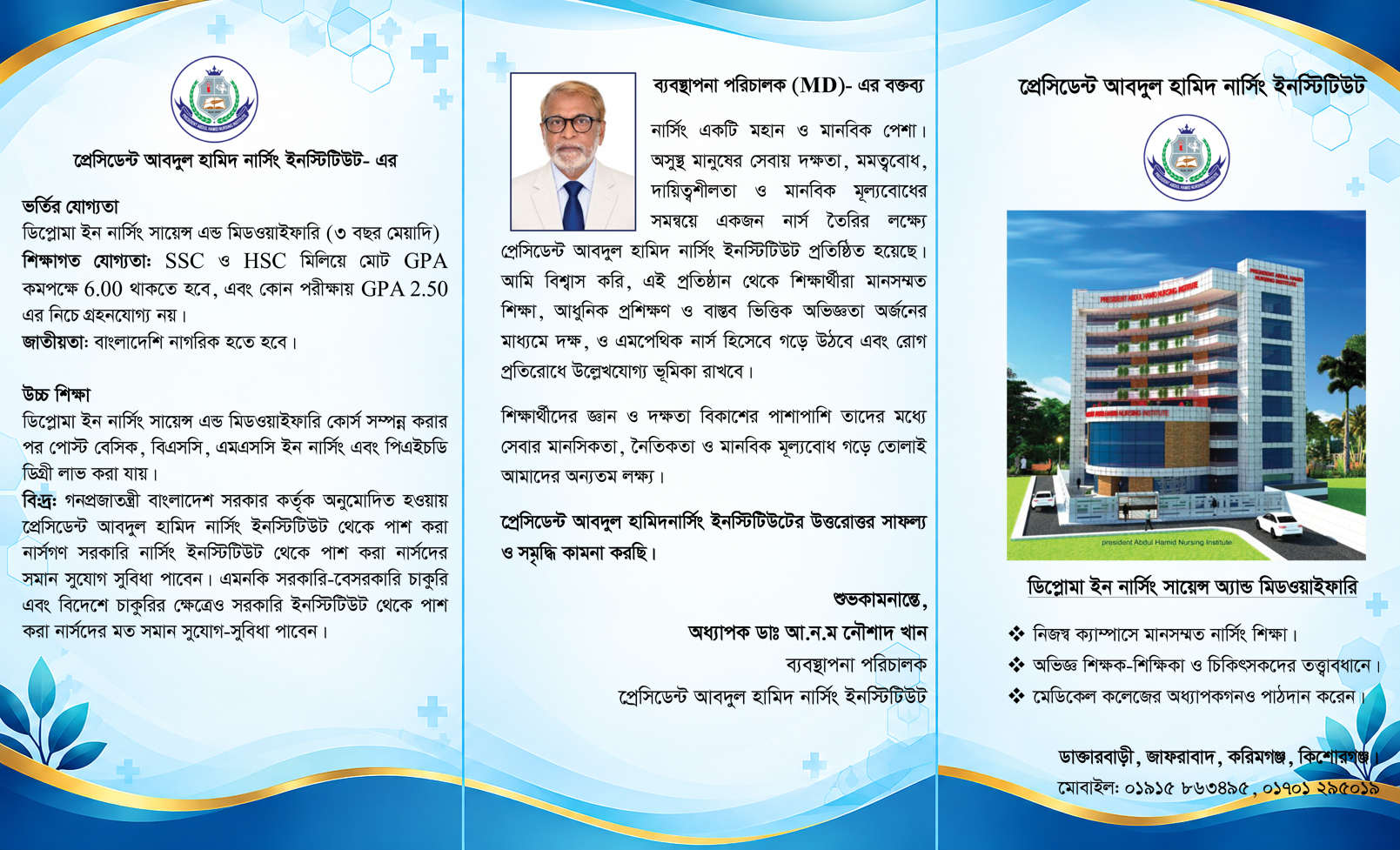
president abdul hamid Nursing institute
26 Sep, 2026 -
-
-
-
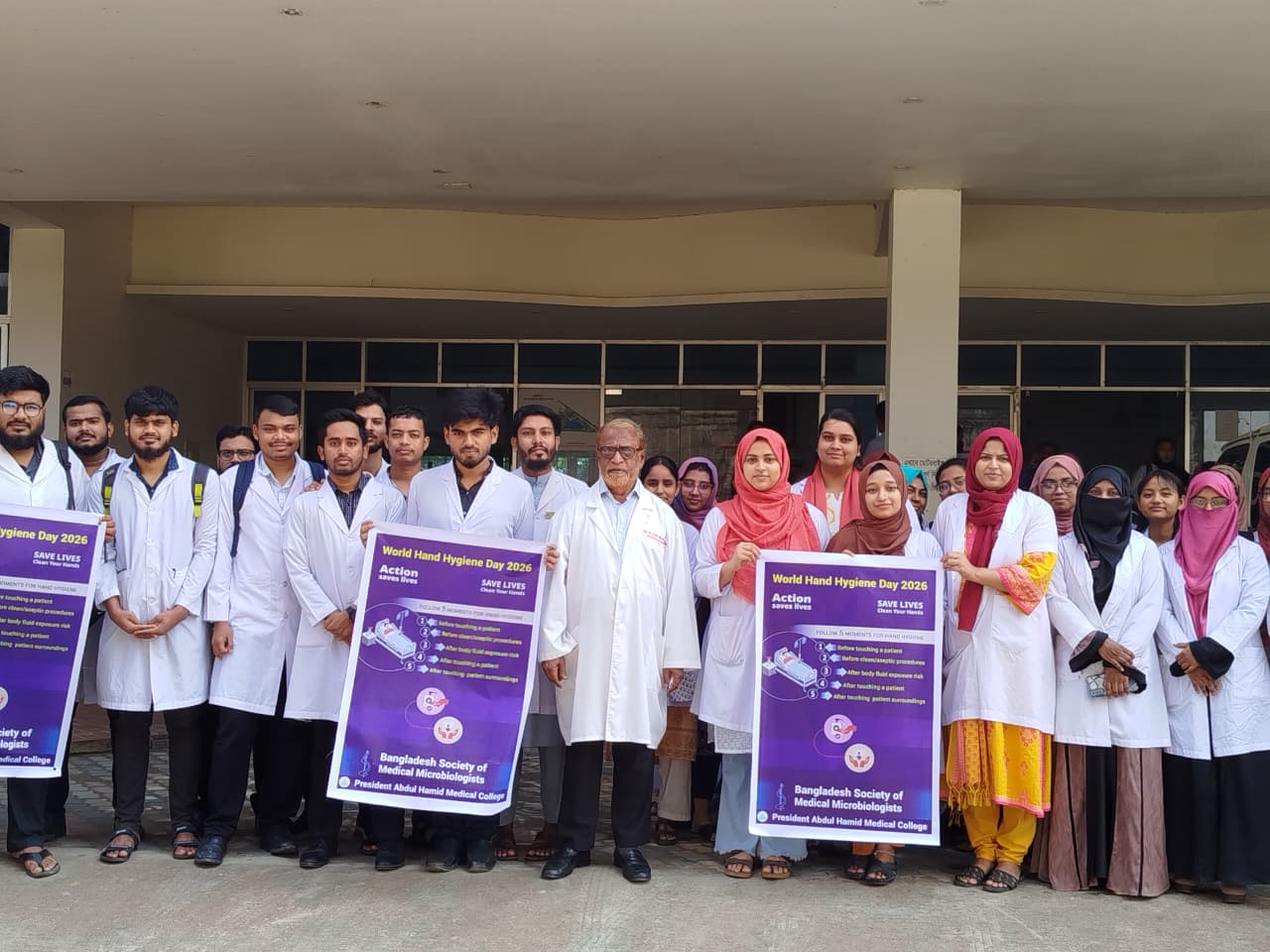
World Hand Hygiene Day 2026
7 May, 2026