PAHMC Journal Volume 1 Issue 1 (July 2024)
Volume 1, Issue 1 — July 2024
Open access
Biannual medical journal
Impact of climate change on eye health
Climate change and global warming are contributing to a rise in serious eye diseases, some leading to permanent vision loss. Cataract, pterygium, and ocular surface squamous neoplasia are particularly associated with increased UV exposure. This editorial discusses the broader health impacts of global warming in Bangladesh and its links to ocular health.
Prevalence and outcomes of aspiration pneumonia in stroke patients with altered consciousness admitted in a medical college hospital of Haor district, Bangladesh
Background: Aspiration pneumonia mortality can reach up to 70% if not properly managed. Results: Among 52 stroke patients with altered consciousness, 76.92% developed pneumonitis and overall mortality was 23%, rising sharply with multi-lobe involvement. Conclusion: Careful positioning and nasogastric tube checks reduce incidence.
Pattern of admission and related outcomes in the neonatal care unit of a tertiary care hospital, Kishoreganj
Background: Neonatal deaths account for roughly half of all under-five mortalities in developing countries. Results: Of 408 neonates admitted, birth asphyxia (35.2%) and prematurity (32.4%) were the leading causes; 21.8% died, mainly from low birth weight. Conclusion: Stronger antenatal care and prompt resuscitation are essential.
Psychiatric morbidity and psychosocial stressors among 16 to 18-year-old students with self-harm in two colleges of Dhaka city
Background: Self-harm is a significant risk factor for 40-50% of people who die by suicide, yet data among Bangladeshi students is scarce. Results: 15.87% of respondents had a history of self-harm; 70% of those had at least one psychiatric illness, most commonly generalized anxiety disorder. Conclusion: Institute-based mental health support is urgently needed.
Comparison between treatment of unstable intertrochanteric fracture of femur by dynamic hip screws and proximal femoral locked compression plate
Background: Dynamic Hip Screw (DHS) remains the gold standard for unstable intertrochanteric fractures. Results: Compared to DHS, Proximal Femoral Locked Compression Plate (PFLCP) showed less blood loss (73 ml vs 159 ml) and shorter operative time (91 vs 105 minutes). Conclusion: PFLCP offers advantages over DHS, including fewer complications.
Bell’s palsy in pregnancy: a case report
A 26-year-old pregnant woman developed Bell’s palsy in her third trimester, with facial droop, difficulty closing her eye, and slurred speech. She was treated with a tapering course of corticosteroids alongside iron and calcium supplements, improved, and delivered a healthy baby vaginally, with both mother and newborn healthy at follow-up.
Comprehensive review of the Russell’s viper (Daboia russelii): biology, venom, clinical significance and management of bites
The Russell’s viper is a severely venomous snake common across South Asia, responsible for many snakebite deaths due to its potent hemotoxic venom, which causes clotting disorders, tissue injury, and kidney failure. This review covers its biology, venom composition, clinical envenomation, and treatment, emphasizing the need for better antivenom access and public education.
Recent Posts
-

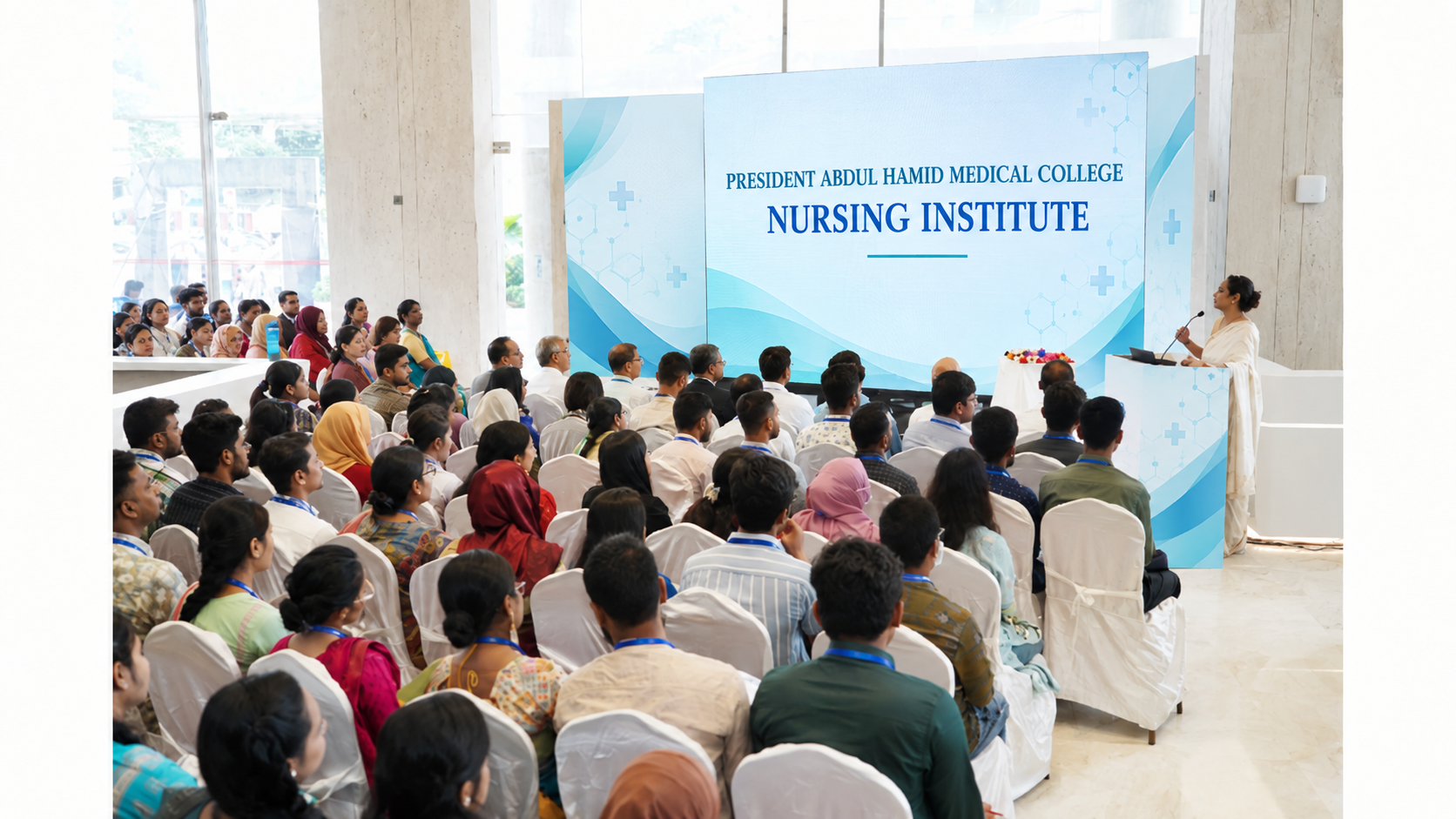
Nursing Education Programme – One-Day Workshop
24 Oct, 2026 -
-
-
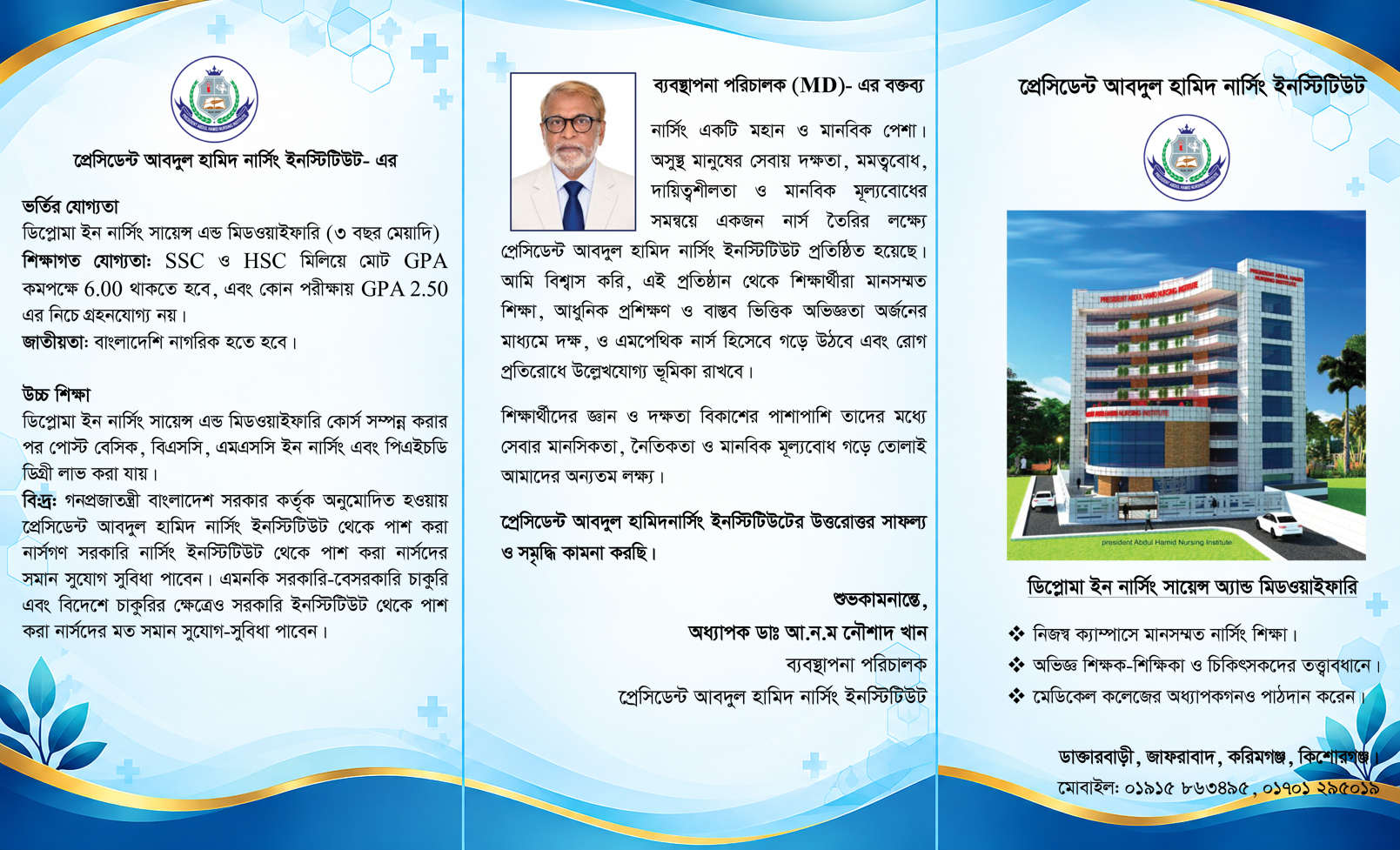
president abdul hamid Nursing institute
26 Sep, 2026 -