PAHMC Journal Volume 2 Issue 1 (January 2025)
Volume 2, Issue 1 — January 2025
Open access
Biannual medical journal
Breath holding attack
Breath holding attacks are common, benign paroxysmal events seen in healthy infants and children aged 6 months to 5 years, often linked to autonomic dysfunction or iron deficiency anemia. This editorial reviews etiopathogenesis, clinical features, differential diagnoses, and management, emphasizing parental reassurance as the cornerstone of treatment.
Depression and anxiety in patients with chronic kidney disease: prevalence, risk factors and impact on quality of life
Background: CKD is often accompanied by significant psychological distress. Results: Among 83 CKD patients, depression prevalence was 38.6% and anxiety 31.3%; dialysis dependency was a significant risk factor for both. Conclusion: Prompt screening and mental health intervention are crucial for these patients.
Comparison of progression of diabetic retinopathy among young-onset and late-onset diabetes mellitus
Background: Diabetic retinopathy is a leading cause of vision loss, and progression may differ by age of onset. Results: 45.0% of young-onset patients progressed to proliferative retinopathy versus 27.0% of late-onset patients (p<0.001). Conclusion: Retinopathy progresses more aggressively in young-onset diabetes.
Diagnostic role of ultrasonography in severe acute appendicitis and correlation with age
Background: Ultrasound is preferred for diagnosing appendicitis due to its safety. Results: Among 150 patients (113 with severe acute appendicitis), USG showed 94.24% sensitivity and 91.7% specificity, with the 16-25 age group most affected. Conclusion: Ultrasonography is an effective, non-invasive diagnostic tool.
Short-term outcomes of colorectal cancer surgeries: insights from National Institute of Cancer Research and Hospital
Background: Surgical resection remains the principal treatment for colorectal cancer despite significant morbidity. Results: Among 59 patients, wound infection was the most common complication (56%); laparoscopic surgery led to less blood loss and shorter hospital stays. Conclusion: The laparoscopic approach favourably influences postoperative outcomes.
Cortical blindness in pregnancy: a case report
A 28-year-old first-time pregnant woman experienced sudden bilateral visual loss postpartum, with neuroimaging consistent with posterior reversible encephalopathy syndrome (PRES). Timely diagnosis and management led to partial visual recovery, underscoring the importance of prompt care for pregnancy-induced cortical blindness.
About the pathogenesis of inflammatory bowel disease — a review
Inflammatory bowel disease arises from interactions between host physiology and intestinal microbes in genetically predisposed individuals. This review examines its pathogenesis, covering host genetics, intestinal flora, diet, and environmental triggers, offering insight for new predictive markers and treatments.
Recent Posts
-

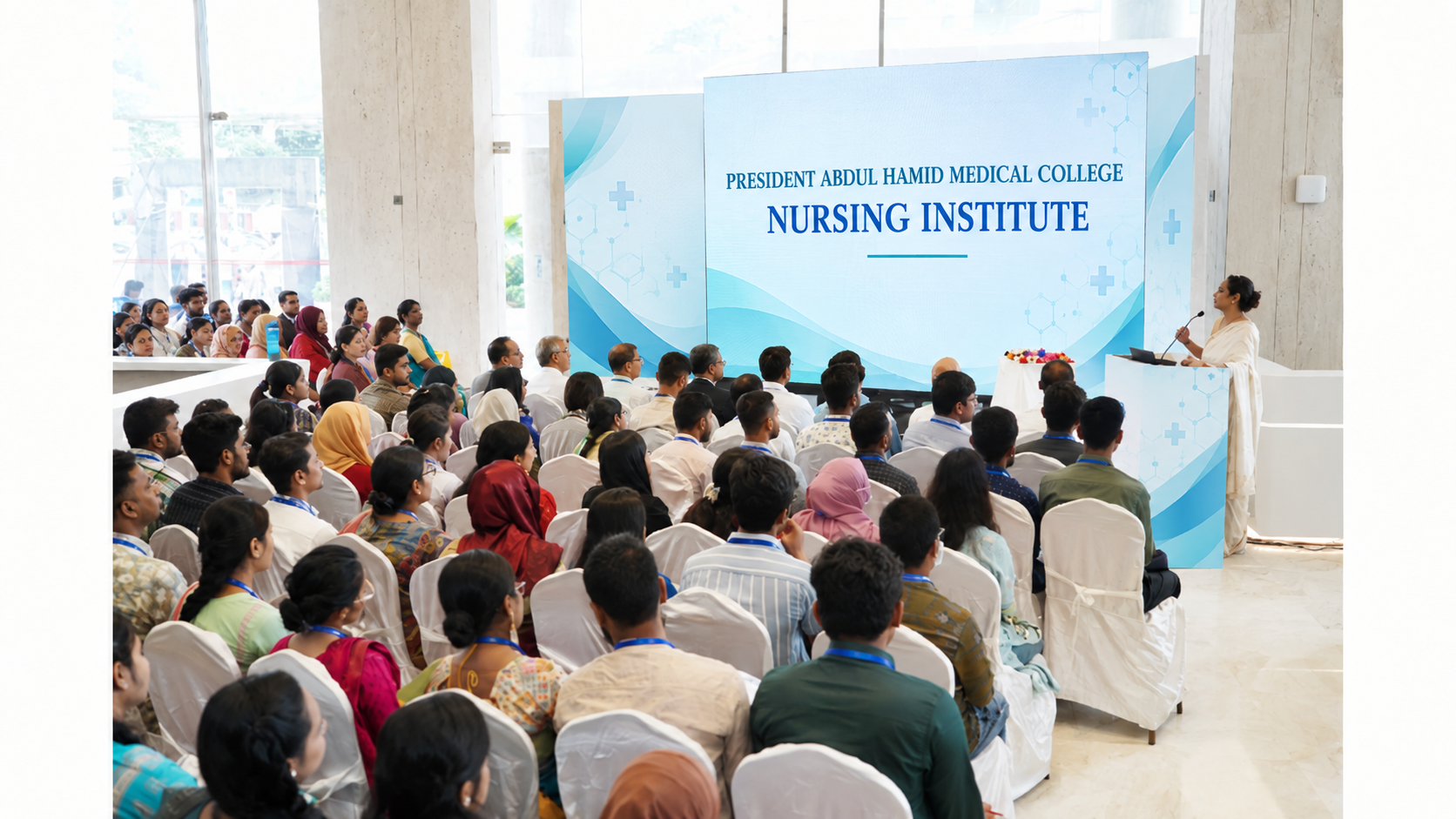
Nursing Education Programme – One-Day Workshop
24 Oct, 2026 -
-
-
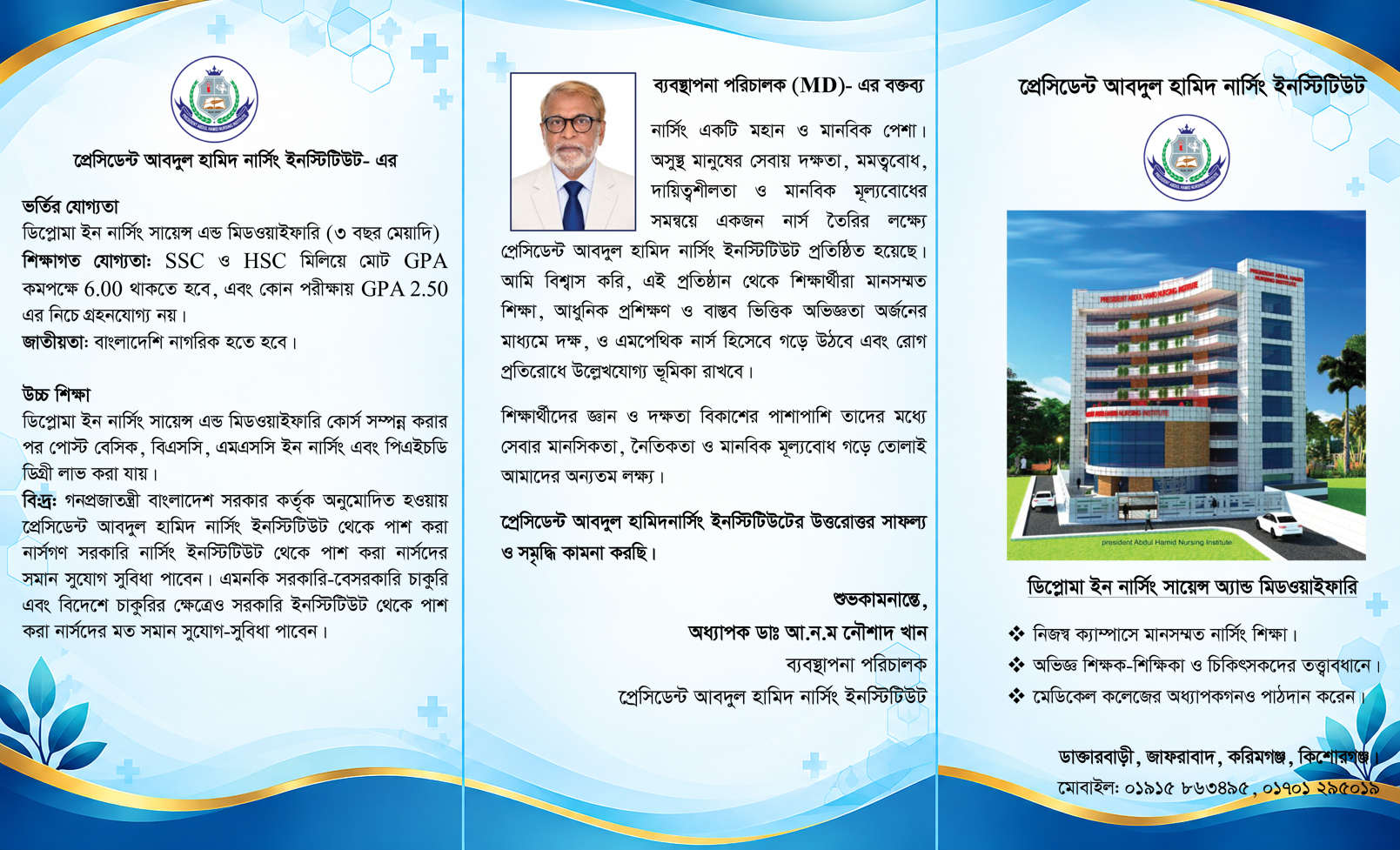
president abdul hamid Nursing institute
26 Sep, 2026 -